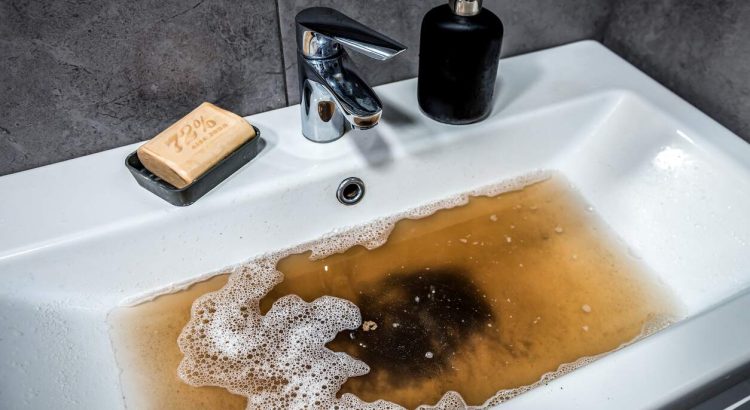
Bathroom drains handle a surprising amount of material every day. Water may appear to wash everything away quickly, but small amounts of hair, soap residue, minerals, skin particles, and personal care products can remain inside the plumbing. Over time, these materials accumulate and restrict the space available for wastewater to move through the pipes.
Understanding the most common sources of bathroom drain buildup can help homeowners recognize problems earlier. Hair, soap, and mineral deposits are particularly troublesome because they can interact, creating stubborn obstructions that become increasingly difficult to remove.
Hair Can Create A Foundation For Clogs
Hair is one of the most familiar causes of bathroom drain trouble. Shower, bathtub, and sink drains regularly collect loose strands during bathing, grooming, and washing. Although a few strands may seem harmless, hair does not always travel completely through the plumbing system.
Individual strands can become caught on rough pipe surfaces, drain components, or existing residue. Once several strands become tangled together, they create a structure capable of catching additional debris.
The blockage may initially be small enough that water continues flowing normally. As more material becomes trapped, however, drainage gradually slows. Eventually, homeowners may notice standing water in the shower or a sink that takes noticeably longer to empty.
Soap Residue Creates Sticky Buildup
Soap is designed to rinse away with water, but that does not necessarily mean every ingredient disappears through the drain without leaving residue. Certain soaps and personal care products can combine with minerals and other substances in water to create deposits along the inside of pipes.
This residue provides a sticky surface where hair, skin particles, dirt, and other materials can collect. Repeated bathroom use adds new layers, gradually reducing the internal diameter of the drainpipe.
The situation can become particularly noticeable in bathrooms used by several people. More material ends up in the same drains as a result of more showers, hand washing, shaving, and grooming. When slow drainage becomes persistent, professional drain cleaning Houston services may be considered to address buildup located beyond easily accessible drain openings.
Mineral Deposits Can Gradually Restrict Pipes
Minerals in the water supply can also contribute to drainage problems. As water repeatedly passes through plumbing fixtures and pipes, minerals may accumulate on internal surfaces. In contrast to a sudden obstruction caused by a foreign object, mineral buildup generally develops gradually.
Deposits can make the inside of a pipe narrower and less smooth. The roughened surface may then make it easier for hair and soap residue to become trapped. This means mineral deposits may not simply cause restrictions on their own. They can also create conditions that encourage other materials to accumulate.
Because the process happens slowly, homeowners might become accustomed to increasingly sluggish drainage without realizing that a significant restriction is developing.
Combined Buildup Can Become More Difficult To Remove
Bathroom drain problems are rarely caused by one material acting completely independently. Hair can become coated with soap residue, while mineral deposits can provide surfaces where both substances attach more easily.
This combination can form a dense obstruction. Water may initially find small pathways around the buildup, creating the impression that the drain is still functioning adequately. Eventually, those pathways can become too narrow to handle normal water flow.
Recurring clogs can be another warning sign. If a drain improves temporarily but becomes slow again soon afterward, some material may still be present deeper within the plumbing.
Preventive Habits Can Reduce Drain Problems
Basic bathroom practices can reduce the quantity of trash that gets into drains. Hair catchers or drain covers can trap loose hair before it gets into the plumbing. Removing collected hair regularly prevents it from being washed farther down the pipe.
Homeowners can also pay attention to changes in drainage speed. A shower that suddenly takes longer to empty or a sink that begins holding water should not automatically be dismissed as a minor inconvenience. Early attention can make it easier to deal with buildup before the drain becomes completely blocked.
Professional drain cleaning services can also be useful when persistent or recurring drainage problems suggest that debris has accumulated farther inside the system.
Maintaining Better Bathroom Drain Performance
Hair, soap, and mineral deposits may seem insignificant individually, but months or years of accumulation can have a substantial effect on bathroom plumbing. The materials can work together, narrowing pipes and trapping additional debris with every use.
Recognizing slow drainage, recurring clogs, unusual odors, and standing water early can help homeowners respond before everyday bathroom use is seriously disrupted. Bathroom plumbing can continue to move wastewater effectively with regular attention to what gets into the drain and proper cleaning when buildup occurs.