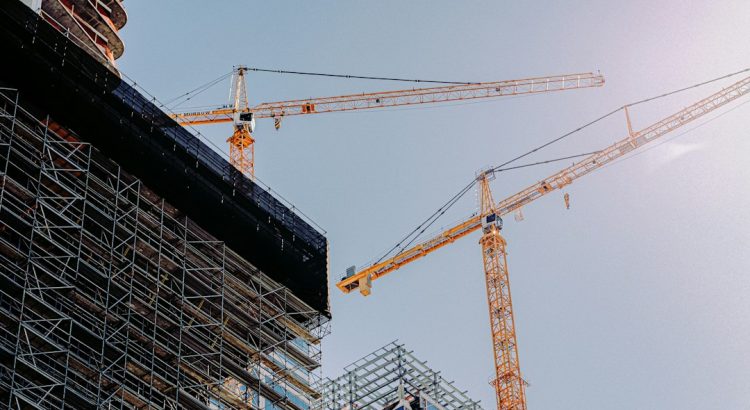
Successful property development depends on more than a strong concept. It requires an understanding of how land, infrastructure, construction, design, accessibility, and future requirements work together. As Australia’s property landscape continues to expand and modernise, an integrated approach can help create projects that are both practical and forward-looking. Hannas Group reflects this combination of development vision and infrastructure expertise, bringing a broader perspective to contemporary property opportunities.
In This Article
- Development Vision Provides the Direction
- Infrastructure Expertise Turns Potential Into Functionality
- Site Knowledge Supports Smarter Planning
- Infrastructure and Property Are Closely Connected
- Modern Businesses Need Efficient Environments
- Connectivity Adds Long-Term Value
- Sustainability Can Be Integrated From the Beginning
- Technology Is Strengthening Infrastructure Planning
- A Unified Approach Supports Future Development
- Conclusion
Development Vision Provides the Direction
Every successful property project begins with a clear vision. Understanding the purpose of a site, its potential users, surrounding environment, and future opportunities helps establish a strong foundation for development planning.
A defined development vision can guide decisions across design, construction, infrastructure, and project delivery. This ensures that individual components contribute to a unified outcome rather than operating independently.
Infrastructure Expertise Turns Potential Into Functionality
Infrastructure provides the systems that allow a development to operate effectively. Roads, drainage, utilities, access networks, services, and communications all influence the practical performance of a property.
Strong infrastructure knowledge can help identify these requirements early. Integrating them into development planning can create more efficient sites and support smoother connections between buildings and their surrounding areas.
Site Knowledge Supports Smarter Planning
Every development site presents a unique combination of opportunities and requirements. Location, access, existing infrastructure, surrounding land uses, environmental factors, and future growth can all influence planning decisions.
A detailed understanding of these factors allows development strategies to be tailored to the specific characteristics of a site. This can improve functionality while creating a stronger relationship between the project and its location.
Infrastructure and Property Are Closely Connected
Property and infrastructure cannot be considered completely separately. The performance of a building can depend on the quality of its surrounding roads, utilities, drainage, access, and transport connections.
An integrated approach considers these relationships from the beginning. This can help create developments where infrastructure supports property functionality and where property planning complements broader infrastructure networks.
Modern Businesses Need Efficient Environments
Business operations continue to evolve through technology, logistics, automation, and changing workplace models. These trends are influencing the physical spaces organisations require.
Efficient layouts, adaptable areas, suitable access, and reliable infrastructure can provide businesses with environments that support day-to-day operations while allowing room for future growth.
Connectivity Adds Long-Term Value
A well-connected development can provide significant practical benefits. Access to major roads, transport networks, employment areas, services, suppliers, and customers can improve convenience and operational efficiency.
Infrastructure expertise helps developers understand how these connections influence a property’s potential. Strategic planning can then position developments to benefit from existing and emerging networks.
Sustainability Can Be Integrated From the Beginning
Sustainability is most effective when it is considered during the early stages of development. Energy efficiency, water management, landscaping, material selection, and infrastructure planning can all contribute to more responsible outcomes.
Early integration allows sustainable features to become part of the overall project strategy rather than being treated as additional elements. This can support both environmental performance and long-term property efficiency.
Technology Is Strengthening Infrastructure Planning
Digital tools and smart systems are creating new possibilities for property and infrastructure development. Data-driven planning, automated systems, digital monitoring, and connected technologies can improve how modern developments are designed and managed.
Combining infrastructure knowledge with technological innovation can help create projects that are more responsive to future operational requirements.
A Unified Approach Supports Future Development
The strongest development outcomes can emerge when vision, infrastructure, construction, and design are aligned. This unified approach provides a clearer understanding of how each project element contributes to the final result.
It also creates greater potential for adaptability, allowing developments to respond to changing business needs, infrastructure improvements, technological progress, and community growth.
Conclusion
Combining development vision with infrastructure expertise creates a strong foundation for contemporary property development. Strategic planning, site understanding, connectivity, sustainable infrastructure, technology, and flexible design can work together to create functional and future-focused environments. As Australia’s built landscape continues to evolve, an integrated approach can help transform development opportunities into high-quality spaces that support businesses, communities, and long-term growth.
At a Glance
- Successful property development requires an integrated approach that considers land, infrastructure, construction, design, accessibility, and future requirements.
- A clear development vision is essential for establishing a strong foundation for planning, guiding decisions across various project components.
- Strong infrastructure knowledge is crucial for identifying needs early in the development process, leading to more efficient sites and smoother connections.
- Understanding the unique combination of opportunities and requirements at a site allows for tailored development strategies that enhance functionality.
- Connectivity to major roads and transport networks significantly improves convenience and operational efficiency for a development.
- Incorporating sustainability during the early stages of development leads to more responsible outcomes and enhances long-term property efficiency.