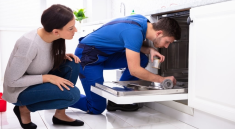
A well-maintained heat pump can deliver dependable comfort while keeping energy use under control. But small performance changes can quickly become bigger concerns when ignored. Learning to recognize early warning signs, maintain essential components, and schedule timely professional service can help protect efficiency, improve reliability, and keep your heat pump performing effectively.
In This Article
- Why Small Heat Pump Issues Matter
- Watch for Early Signs of Trouble
- Keep Airflow Unrestricted
- Pay Attention to Thermostat Performance
- Professional Maintenance Can Catch Problems Early
- Know When Repairs Should Not Wait
- FAQs About Heat Pump Performance
- Conclusion
Energy-efficient heat pumps can provide reliable heating and cooling while helping homeowners control energy costs throughout the year. However, even a highly efficient system can lose performance when small issues are ignored. Restricted airflow, unusual noises, thermostat problems, or longer operating cycles may indicate that something needs attention. Addressing these warning signs early can help prevent unnecessary strain and maintain consistent indoor comfort. Professional energy-efficient heat pump service can identify developing problems, correct performance issues, and keep essential components operating properly. By combining simple homeowner care with timely professional maintenance, you can support efficiency, reliability, and long-term heat pump performance.
Why Small Heat Pump Issues Matter
Heat pumps are designed to provide both heating and cooling, making them an efficient choice for year-round comfort. However, their performance depends on several components working together properly. When one part begins struggling, the system may need to run longer or work harder to maintain the desired temperature.
Early attention can help prevent unnecessary strain, higher energy use, and more significant repair needs. Professional heat pump maintenance and timely repairs are especially valuable for keeping an energy-efficient system operating as intended. Hush Air provides heat pump installation, maintenance, diagnostics, and repair services for different makes and models.
Watch for Early Signs of Trouble
Homeowners do not need to diagnose complex HVAC problems themselves. Instead, pay attention to changes in how the heat pump operates. A sudden difference in comfort or energy use can be an important warning.
Common signs that deserve attention include:
● Uneven heating or cooling throughout the home
● Weak or reduced airflow from vents
● Unusual noises during operation
● Unexpected increases in energy bills
● Frequent cycling or unusually long operating periods
These symptoms can have different causes, so professional diagnosis is often the safest approach. A technician can inspect the system and determine whether a minor adjustment, maintenance service, or repair is appropriate.
Keep Airflow Unrestricted
Airflow has a direct effect on heat pump performance. A dirty filter can restrict air movement, forcing the system to work harder. Homeowners should check filters regularly and replace them according to the manufacturer’s recommendations.
Outdoor equipment also needs adequate clearance. Leaves, dirt, grass, and other debris can interfere with airflow around the unit. Keeping the surrounding area reasonably clear supports proper operation and allows technicians to inspect the equipment more effectively during scheduled service.
Pay Attention to Thermostat Performance
A thermostat controls when the heat pump operates and helps maintain the selected indoor temperature. If it is inaccurate or improperly calibrated, the system may cycle unnecessarily or struggle to maintain consistent comfort.
If indoor temperatures do not seem to match the thermostat setting, do not immediately assume the heat pump itself has failed. A professional inspection can determine whether the thermostat, electrical components, or another part of the system is responsible.
Professional Maintenance Can Catch Problems Early
Preventive maintenance is one of the most practical ways to protect heat pump efficiency. During professional service, technicians can evaluate important operating components rather than waiting until a noticeable breakdown occurs.
A heat pump tune-up may include system diagnostics, refrigerant checks, airflow inspections, electrical inspections, thermostat calibration, and efficiency adjustments. Regular maintenance can identify developing concerns before they interfere with comfort or become more expensive problems.
Know When Repairs Should Not Wait
Some warning signs should receive prompt professional attention. Refrigerant concerns, electrical problems, persistent airflow issues, or repeated system cycling can affect efficiency and potentially place additional strain on equipment.
Trying to fix technical components without the proper training can create additional problems. Instead, professional energy-efficient heat pump service can help identify the root cause and restore proper operation without relying on guesswork.
FAQs About Heat Pump Performance
Q.1 How often should a heat pump receive professional maintenance?
Regular maintenance is recommended to help maintain efficiency and reliability. Seasonal service can be particularly useful before periods of heavier heating or cooling use.
Q.2 Can a dirty filter affect heat pump efficiency?
Yes. A restricted filter can reduce airflow and make the system work harder. Regular filter checks are a simple way to support efficient operation.
Q.3 Why is my heat pump running longer than usual?
Longer operating periods can result from airflow restrictions, thermostat concerns, refrigerant problems, or other system issues. Persistent changes should be professionally evaluated.
Q.4 Are unusual noises a reason to call a technician?
Yes. New or persistent sounds can indicate a component or operational issue. Addressing unusual noises early may help prevent more extensive problems.
Q.5 Does maintenance help extend heat pump life?
Routine inspections and timely repairs can reduce unnecessary system strain and help maintain reliable performance over the equipment’s service life.
Conclusion
An energy-efficient heat pump can provide dependable heating and cooling while helping homeowners manage energy use, but efficiency should never be taken for granted. Small changes in airflow, thermostat behavior, operating cycles, noise, or energy consumption can signal developing problems. Addressing these warning signs early is often far easier than dealing with a major breakdown later.
Simple homeowner habits, such as checking filters and keeping the outdoor unit clear, can support everyday performance. Professional maintenance goes further by allowing trained technicians to inspect system operation, check refrigerant, evaluate airflow and electrical components, and calibrate the thermostat when needed.
When something seems unusual, timely energy-efficient heat pump service can help identify the underlying issue and restore dependable performance. A proactive approach protects comfort, supports efficiency, and helps homeowners get more value from their heat pump investment.
At a Glance
- A well-maintained heat pump can provide efficient heating and cooling while controlling energy costs.
- Common signs of heat pump issues include uneven heating, reduced airflow, unusual noises, increased energy bills, and longer operating cycles.
- Regularly checking and replacing dirty filters is essential for maintaining proper airflow and heat pump performance.
- Professional maintenance can catch potential problems early, enabling timely repairs and ensuring operational efficiency.
- Refrigerant issues, electrical problems, and persistent airflow concerns should be promptly addressed by a professional technician.