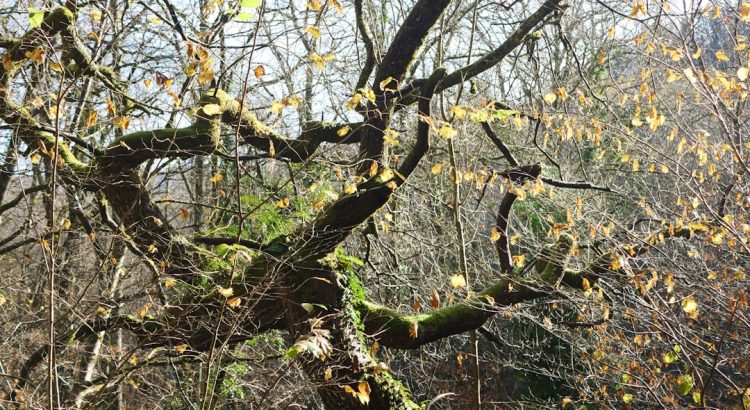
Maintaining the trees on your property is not something that can be put off until visible problems appear. Many tree health issues develop gradually beneath the surface, affecting root systems, internal wood structure, and vascular tissue long before any outward signs become obvious. When you work with Tree Health Surgeons Mason, you gain access to a preservation-first approach that prioritizes saving trees over removing them—a distinction that makes a meaningful difference for your landscape and property value.
Mature trees are long-term assets. They provide shade, improve air quality, support local wildlife, and contribute to the overall appeal of a property. Protecting them requires consistent attention from professionals who understand how trees grow, how disease spreads, and how environmental stress affects long-term health.
What Are the Most Common Signs That a Tree Needs Professional Attention?
Several visible indicators suggest a tree may be experiencing health challenges. Yellowing or thinning leaves outside of the normal seasonal cycle often point to nutrient deficiencies or root stress. Dead branches that appear in the upper canopy, known as crown dieback, can indicate disease progression or structural weakness. Fungal growth near the base of a trunk is another sign that internal decay may already be underway.
Cracks along the trunk or major limbs, peeling bark, and a leaning posture that has changed over time all warrant a professional evaluation. Catching these signs early dramatically increases the likelihood of a successful treatment outcome.
Can Tree Diseases Be Treated Without Removing the Tree?
Yes—many tree diseases can be effectively managed when identified at an early stage. A certified arborist will assess the type of disease present, the extent of infection, and the overall structural integrity of the tree before recommending a treatment plan. Fungal infections, certain bacterial diseases, and insect-related stress can often be addressed through targeted treatments, soil amendments, and structural support techniques.
Removal becomes necessary only when a tree presents an active safety risk or when the extent of damage makes recovery unlikely. A preservation-focused provider will always exhaust treatment options before recommending removal.
What Role Does Soil Health Play in Tree Care?
Soil conditions directly influence how well a tree absorbs water, oxygen, and nutrients. Compacted soil restricts root growth and limits the tree’s ability to sustain itself during periods of environmental stress. Poor drainage, imbalanced pH levels, and depleted organic matter can all contribute to a tree’s decline even when no visible disease is present.
Professional soil analysis identifies these underlying issues, allowing arborists to apply targeted fertilization, bio-stimulant treatments, or aeration techniques that support recovery from the ground up.
How Often Should Trees Be Professionally Inspected?
Most trees benefit from a professional inspection every one to three years, though trees that have shown signs of stress or have experienced storm damage should be evaluated more frequently. Younger trees in the establishment phase also benefit from closer monitoring to ensure they are developing healthy root systems and structural form.
Regular inspections allow arborists to identify problems before they escalate, reducing the likelihood of emergency situations and unnecessary removal costs.
Is Professional Tree Trimming Really Necessary?
Improper trimming is one of the leading causes of long-term tree decline. Cutting branches at the wrong point, during the wrong season, or with inadequate technique can create open wounds that invite disease and pest activity. Professional trimming follows established arboricultural standards that promote healthy regrowth, reduce structural risk, and maintain the tree’s natural form.
Ornamental pruning takes this further by shaping trees and shrubs to enhance the visual character of a landscape while supporting overall plant health throughout every season.
Trees that receive consistent professional care simply perform better over time—they grow stronger, resist disease more effectively, and contribute more meaningfully to the properties they inhabit. Scheduling a professional evaluation is the most reliable first step toward protecting that investment.