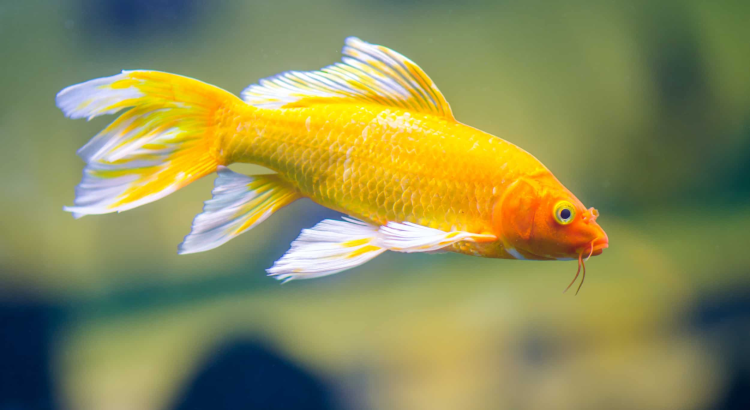
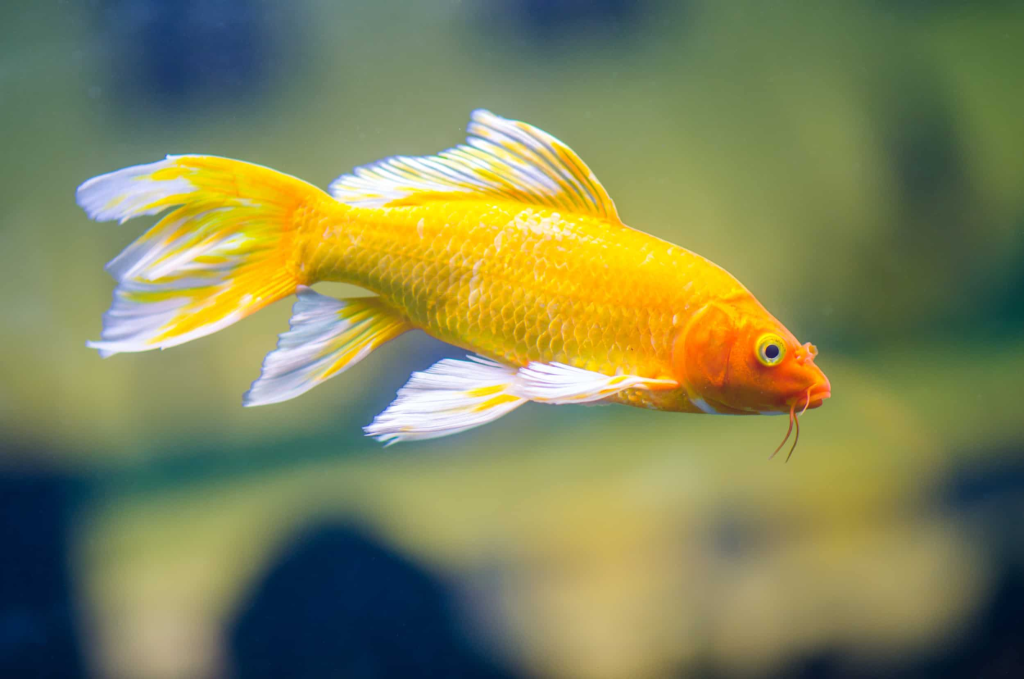
Butterfly koi fish are a striking and elegant variety of ornamental carp, admired by enthusiasts who want something truly distinctive in their ponds. Known for their flowing fins and vibrant coloration, these fish bring a sense of movement and grace that sets them apart from more traditional koi. They appear in a wide range of patterns, sizes, and colors, each contributing to their visual appeal. To fully appreciate butterfly koi, it helps to explore where they came from and how selective breeding shaped their remarkable characteristics.
Origins of Butterfly Koi
The story of butterfly koi begins in the 1980s, when long-finned carp with muted grey and brown tones were discovered in canals in Indonesia. These fish initially attracted attention and were introduced to international markets. However, early reception was lukewarm, as their dull coloration did not appeal to collectors who were accustomed to brightly colored koi.
Over time, breeders saw potential in these unusual carp and began crossbreeding them with traditional koi varieties. The results were surprising and impressive. The long-fin trait proved to be genetically dominant, meaning it persisted even when bred with colorful koi. This allowed breeders to gradually reintroduce vivid colors while maintaining the elegant, flowing fins. In addition to their aesthetic appeal, these fish were observed to be particularly hardy and resistant to disease. As breeding programs advanced, multiple lines of butterfly koi were developed, each showcasing unique combinations of color, pattern, and finnage.
How Butterfly Koi Differ From Traditional Koi
One of the most noticeable differences between butterfly koi and standard koi lies in their fins. As butterfly koi mature, their fins continue to grow longer and more elaborate, creating a dramatic and almost ethereal appearance. This growth continues until the fish’s vascular system can no longer support further extension, which means older fish often display the most impressive finnage. Their long, trailing fins and extended barbels give them a regal presence, often compared to mythical or dragon-like forms gliding through the water.
While their fins are extraordinary, butterfly koi generally do not reach the same body mass as traditional koi. However, this is more than compensated for by their striking appearance. Their combination of elongated fins and vivid coloration makes them stand out in any pond setting. When evaluating their quality and value, patterns play a significant role. Solid metallic varieties, especially those in platinum or lemon tones, are particularly prized. Breeders who succeed in raising large butterfly koi with these bright, uniform colors often produce specimens of exceptional worth.
Which Butterfly Koi Are the Most Prized?
Among the many varieties of butterfly koi, certain types stand out as especially desirable. One of the most admired is the Sorogoi, known for its subtle grey coloration overlaid with a distinctive net-like pattern. This combination gives the fish a mysterious and almost otherworldly appearance as it moves through the water.
Other popular varieties include black butterfly koi, which are valued for their bold and dramatic look. Within this group, the rarest specimens are the Karasu, or fully black koi. These fish are notable not only for their deep, jet-black coloration but also for their lack of scales, which gives their bodies a smooth, almost velvety texture. Their long fins further enhance their striking presence.
Because they are not constrained by the same genetic factors that influence brightly colored koi, these darker varieties often grow quite large. Their size, combined with their unique appearance, makes them highly sought after by collectors who appreciate rarity and visual impact.